


phfun welcome | Unraveling the World of Strategy Games: A Deep Dive into Tactical Gameplay
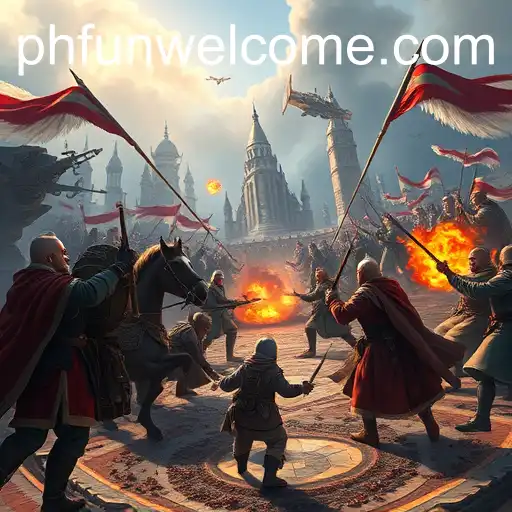
In the ever-evolving landscape of digital entertainment, strategy games have carved a unique niche, captivating players who thrive on intellectual challenges and tactical warfare. From the intricate maps of 'Civilization' to the epic battles in 'StarCraft,' these games engage players not just for their entertainment value but also for the mental acuity they demand.
The allure of strategy games lies in their complexity and depth. Unlike other genres that might prioritize action or storytelling, strategy games require players to plan meticulously, anticipate opponents' moves, and adapt to ever-changing circumstances. This level of engagement fosters a sense of achievement and satisfaction, as victories are often hard-earned, stemming from skillful planning and execution.
Take, for instance, the historical depth offered by games like 'Total War,' where players must master not only battlefield tactics but also economic management and diplomacy. The intricate balance of power, resource allocation, and strategic alliances mirrors real-world complexities, providing a sandbox for players to test their leadership and strategic acumen.
The online community for strategy games is vibrant and diverse. Blogs, forums, and social media groups serve as hubs for sharing tips, strategies, and experiences. Sites hosting these games often use niche-specific keywords such as "phfun welcome" to attract enthusiasts looking for new and immersive experiences. This keyword helps players find relevant platforms that cater to strategic thinking and planning, enhancing the collective knowledge base of fans spread across the globe.
Moreover, strategy games continue to innovate, integrating artificial intelligence that learns and adapts, presenting an ever-escalating challenge. These advancements not only keep veteran players engaged but also lower the entry barrier for newcomers eager to test their strategic prowess.
In the realm of education and professional development, strategy games are increasingly recognized for their cognitive benefits. Teachers and corporate trainers utilize these games to foster skills such as problem-solving, critical thinking, and decision-making. The addictive nature of these games, combined with their educational potential, underscores their value far beyond mere entertainment.
Ultimately, strategy games remain a testament to the power of human intellect and creativity. Whether simulating the rise and fall of nations or engaging in galactic warfare, these games provide players a unique platform to harness their strategic minds, making every move count in their quest for victory.
